 Langley
Alice Mary Smith
'Composer of the Week: Alice Mary Smith'. Five daily programmes for BBC Radio 3, written and presented by Donald Macleod, produced by Luke Whitlock and broadcast on 27-31 July 2026.
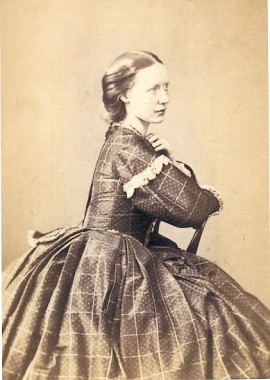
Thanks to some lucky finds in her grandson’s garden shed, the Victorian composer Alice Mary Smith (1839-1884) is now winning her rightful place, and fresh appreciation, in the history of British music. About time! Scholars may have encountered Smith – also known as Mrs Frederick Meadows White – in period press sources, lauding her as the first British woman to write a symphony, in 1863 at the age of 24. That's remarkable enough.
 But few of us had actually heard the music or understood her reach across other large forms. For reconstructing Smith’s (forgotten) full output we must thank the indefatigable Ian Graham-Jones, who’s been editing and writing about her music since the late 1990s. And now the BBC has taken up her cause by commissioning performances, recordings and this new ‘Composer of the Week’ series. I was delighted to join Prof. Graham-Jones and the presenter Donald Macleod on that broadcasting journey.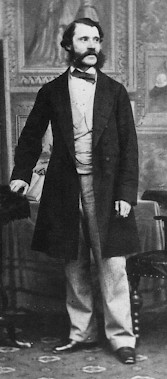
Like them, I was impressed with each new aspect of Smith’s work but less inclined than they, perhaps, to remain content labelling each step as simply ‘outside conventional boundaries’. Clearly a free-willed composer who was both disciplined and determined, untroubled by the desire or need to be a public performer, she kept challenging herself intellectually and artistically, gaining repeat performances. Her classical and high literary sources are remarkable, and her number and quality of orchestral overtures, piano and string quartets and dramatic choral works is striking.
With a solid education, strong support from parents, brothers and husband, and strategic advice from senior colleagues including Henry Lazarus, the great clarinettist – all advantages, not obstacles – she moved ahead logically and deliberately as each new creative opportunity presented itself. Her best comparators may be other English (male) composers of the time including Arthur Sullivan, English women writers of high achievement from Elizabeth Barrett Browning to George Eliot, and other European women writing chamber and orchestral works such as Louise Farrenc.
Certainly there is more to learn. Let’s hope these programmes multiply the interest and open up her story.
'Thrilled and delighted to hear this' ... Bruce Chaffin, orchestral percussionist
'So much is really impressive here ... the Andante for Clarinet and Orchestra is lovely' ... A Radio 3 listener